How to Create a Wedding Day Timeline That Actually Flows
Once you have a date and a venue, the wedding timeline is usually the next thing couples start to wrestle with. Not because it is complicated, but because it suddenly feels like everything needs to fit into one day.
A thoughtful timeline does more than keep things on track. It sets the tone for how the day feels. From a photography perspective, I see this play out all the time. The days that feel the best are not the ones with the most packed schedules. They are the ones that flow.
Here is how to create a wedding day timeline that supports the experience you want, not just the logistics.
Why your wedding timeline sets the tone for the entire day
Once couples start planning their wedding day timeline, it’s usually the logistics that come first.
What time should hair and makeup start?
When do we do speeches?
How long should the drinks reception be?
All important questions. But before getting into exact timings, there’s something even more important to consider.
How do you want your wedding day to feel?
Because creating a wedding timeline isn’t just about building a schedule. It’s about creating a day that flows beautifully.
When the timeline is built with intention, everything feels more relaxed. There’s space to breathe, time to hug people properly, and no sense of being rushed from one moment to the next. Guests know where they need to be without constant regrouping, and you get to enjoy each part of the day as it unfolds.
A well-paced timeline also gives your vendor team the ability to do their best work. When there is breathing room built in, the day stays flexible without feeling chaotic.
Start with flow, then build the timeline
A good wedding day timeline supports the feeling of the day.
It avoids unnecessary stop-start moments.
It reduces rushing.
It leaves space for real connection and enjoyment.
One thing couples don’t always realise is how long it can take to gather everyone together on a wedding day. People head to the bar, pop back to their rooms, stop for chats, or nip to the loo. Suddenly, ten minutes has disappeared.
The fewer times you need to regroup your guests, the smoother everything will feel.
For example, if you’d love one big group photo, doing it straight after confetti works beautifully because everyone is already together. If you’re cutting the cake, attaching it to another moment like your entrance to dinner or your first dance avoids pulling guests together again.
This isn’t about removing traditions you love. It’s about placing them at points in the day where they feel natural.
When the flow works, everything else becomes easier, including the photography.
Create space in your wedding day timeline
One of the kindest things you can do when learning how to make a wedding day timeline is to build in breathing room.
If everything runs exactly on time, you’ll simply have more space to enjoy yourselves and spend time with your guests. If something runs a little late, which is very normal, you won’t feel stressed or behind.
A calm wedding day is almost always the result of a timeline with gentle buffers built in.
Lean on your suppliers (you're not supposed to know this stuff)
Most couples have never planned a wedding before. So if you’re wondering how you’re meant to know how long to allow for everything, the answer is simple.
You’re not.
This is where your suppliers become invaluable. Your venue, caterers, photo and video team, registrar, vicar, or celebrant have likely worked at hundreds of weddings. They’ve seen what works smoothly and where things tend to need more time.
Rather than relying on a generic online guide, the best way to create a wedding day timeline that actually flows is to ask the people who will be there on the day.
They can help you work out realistic timings for things like:
- How long your ceremony is likely to last
- How much time to allow for group photos
- When to seat guests for dinner
- How long your wedding breakfast will realistically take
And crucially, they’ll tailor that advice to your wedding.
A five-course sit-down wedding breakfast for 150 guests will not run on the same timeline as a relaxed hog roast for 50. A church ceremony will feel very different to a short celebrant-led ceremony outdoors. A venue turnaround in one main room needs different planning than a venue with multiple spaces.
Your suppliers can help you shape a timeline that suits what you’re actually planning, not what works on paper.
As a photographer, I'm always happy to advise on timings that allow the day to feel calm, unrushed, and well-paced, especially when it comes to portraits and transitions between moments. The same is true for your other suppliers too.
So ask the questions. Share your plans. Lean on the experience around you.
We’re here to help make your day run smoothly.
Start with the non-negotiables
When it comes to how to create a wedding timeline that works, it helps to anchor the day around the things that cannot move.
This usually includes your ceremony time, venue access, travel between locations, and any restrictions your venue has in place. These fixed points give your wedding day timeline structure, and everything else can build out from there.
It’s also worth factoring in daylight early on, especially in the UK where sunset times vary so much throughout the year. Light often influences when portraits happen and how the rest of the day flows.
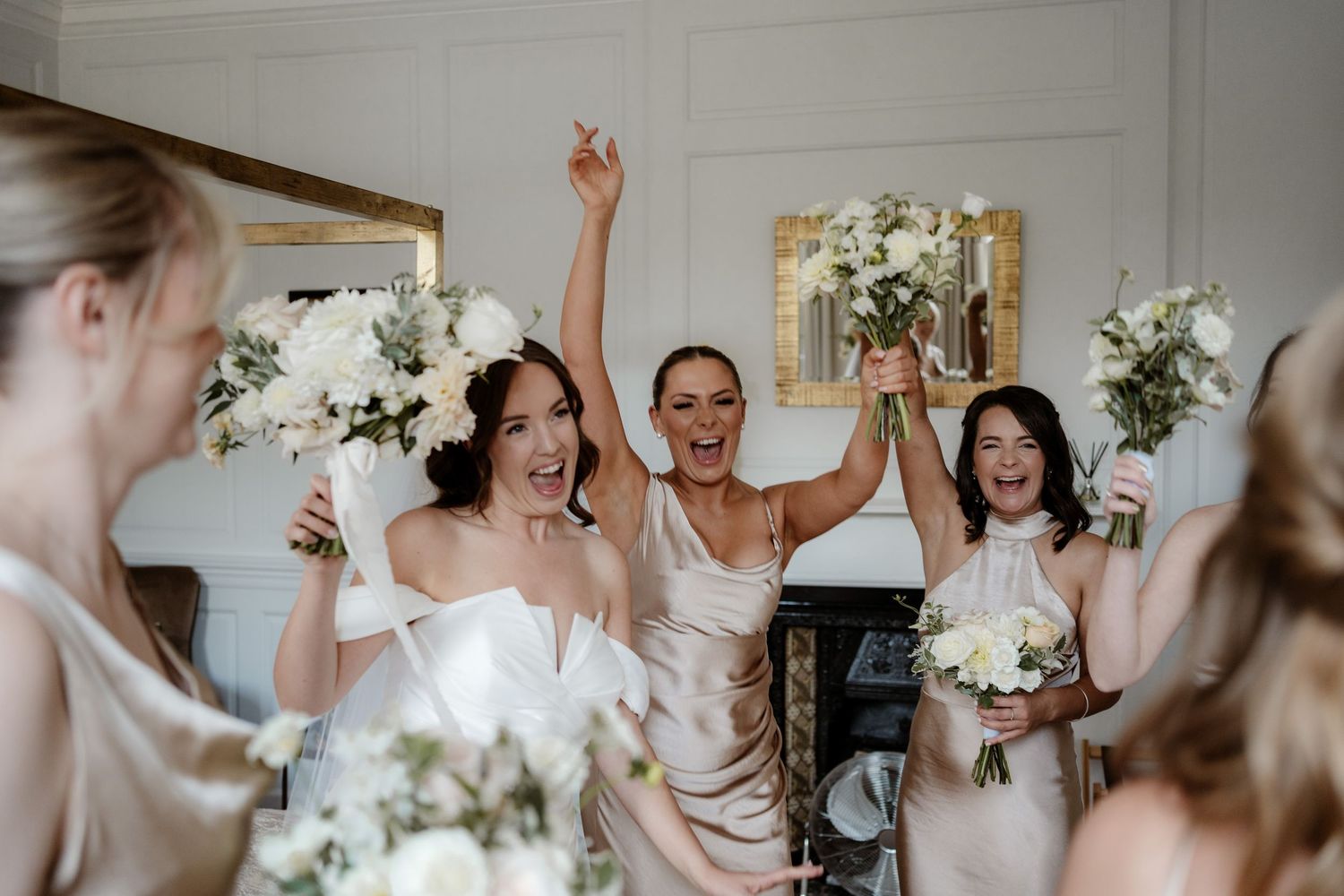
Morning prep: set the tone
The morning really sets the tone for everything that follows. This part of your wedding day timeline is usually focused on bridal prep, but it’s also worth thinking about how partner or groom prep fits into the overall flow.
A calm, unrushed morning creates a much smoother start to the day and often sets the emotional pace for everything that comes after.
Start the morning gently
Try not to plan the morning too tightly. Give yourself time to wake up slowly, have something to eat and settle into the day before hair and makeup begins.
As a rough guide, I usually arrive around two hours before you need to leave for your ceremony. That allows time to capture the atmosphere of bridal prep without anyone feeling rushed, while still leaving space for things to unfold naturally.
Be fully ready in plenty of time
One of the biggest differences between a calm wedding morning and a stressful one is this small shift.
I always recommend being completely ready at least 45 minutes before you need to leave for your ceremony. Dressed, jewellery on, and finishing touches done.
That window allows time for relaxed portraits, any first looks or reveals, wedding party photos, and breathing room if prep runs slightly over. Most importantly, it means you won’t feel rushed as you head into your ceremony.
Factor in Registrar or Ceremony Timing
If you’re having a registrar ceremony, you’ll usually need to meet them around 15-30 minutes before the ceremony begins for your final interview.
Building this into your wedding day timeline early on makes the entire morning feel calmer and avoids that last-minute scramble out of the door.
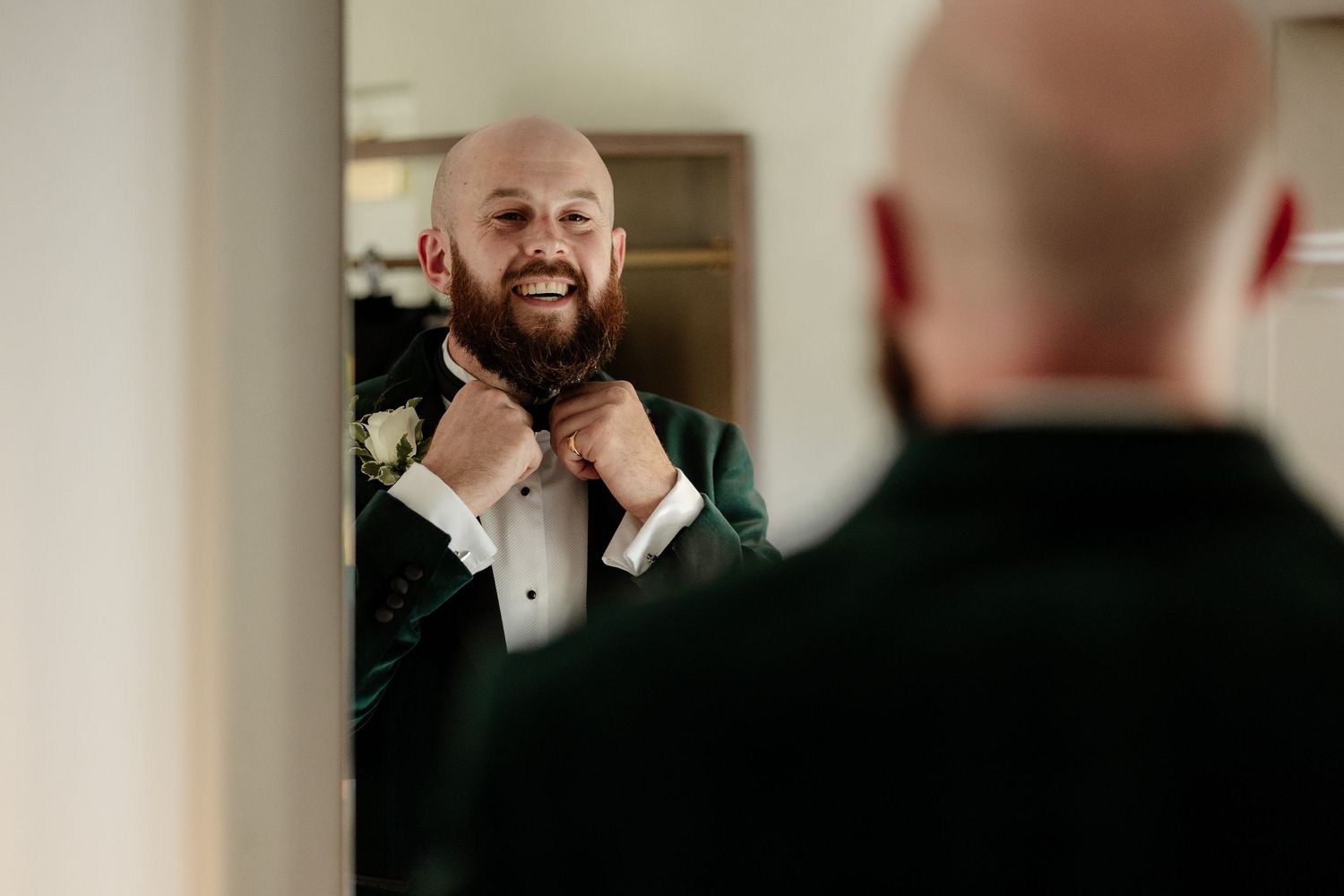
Groom Prep
Partner or groom prep often looks a little different to bridal prep, and that’s completely fine.
You might be doing something relaxed or fun with your groomspeople, like sharing a drink or heading out for a walk. If there’s anything you’d love to remember from the morning, it’s worth allowing space for it to unfold naturally.
From a practical point of view, the focus is usually on being ready to get to the venue, greeting guests, and being there in good time for any registrar or celebrant meeting before the ceremony.
If you’d love the full story of the morning captured, a second photographer allows that to happen in an unhurried, relaxed way. Both partners can have their mornings documented as they naturally unfold, without compressing timelines or pulling focus from one side to the other.
Ceremony, confetti and congratulations
Ceremony timings can vary depending on the type of ceremony you’re having and what you include. Registrar-led ceremonies are often around 20 to 30 minutes, church ceremonies are usually longer, and celebrant ceremonies can vary widely. Readings, personal vows, music, and special touches like handfasting or ring warming all add to the experience and naturally affect the length.
If you’re unsure how long to allow, the person conducting your ceremony is always the best guide. Once they know what you’re including, they can advise on realistic timings so your wedding day timeline reflects your plans rather than a generic estimate.
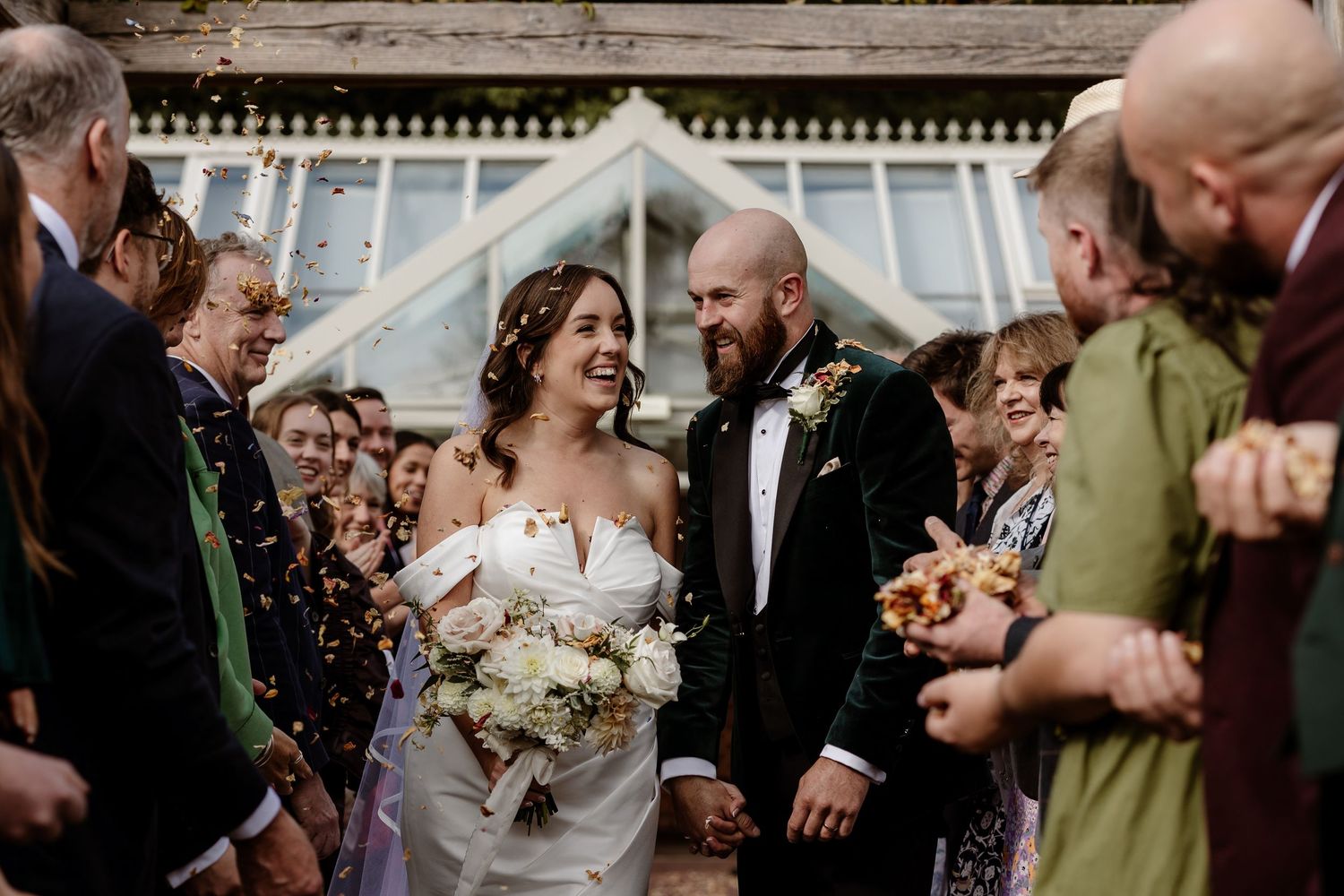
Once the ceremony finishes, confetti works beautifully straight away. Everyone is already gathered and the energy is high, which keeps the flow of the day feeling natural.
After confetti, allow yourselves a little time to hug people and soak everything in before moving into group photos. This gentle pause helps the day settle and makes the transition feel relaxed rather than rushed.
Drinks reception: one of the most important parts of the wedding timeline
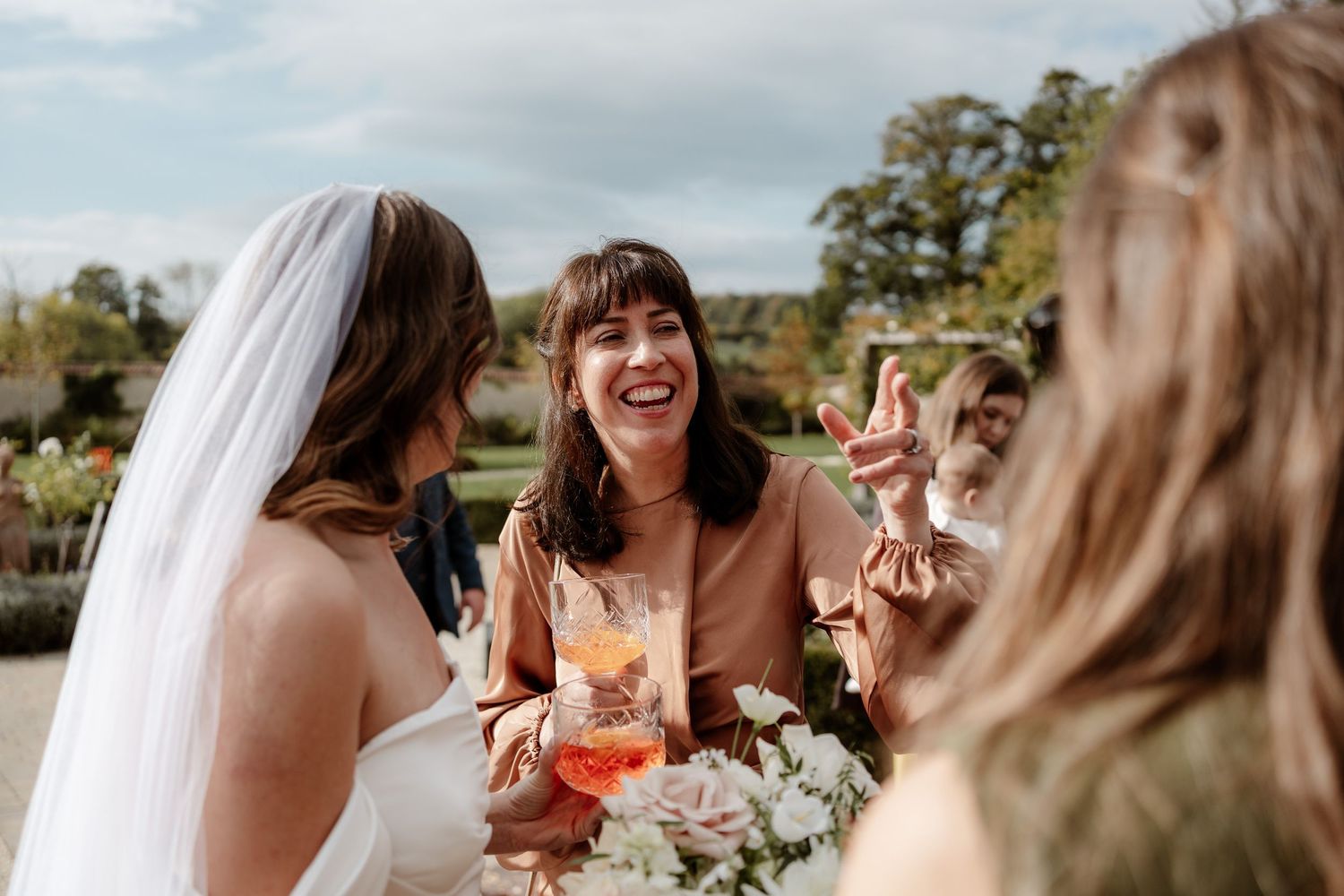
From a photography perspective, the drinks reception is one of the busiest parts of the day.
This is usually when we fit in candid guest photos, group photos, a few couple portraits, and venue details. I recommend allowing at least 90 minutes if you can, and longer where possible.
Giving this part of the wedding day timeline enough space makes everything feel more relaxed and enjoyable.
When should you schedule speeches?
Speech timing can have a big impact on flow.
I often suggest having speeches before the wedding breakfast while everyone still feels fresh. It also means speakers can relax and enjoy the meal afterwards.
For something more informal, a speech during the drinks reception before guests are seated can feel very natural, especially for outdoor or marquee weddings. I’d usually avoid speeches between courses, as they can disrupt catering timings and break the rhythm of the meal.
Keep the energy going after dinner
That little window between the wedding breakfast and evening dancing can sometimes feel like a lull.
Adding something intentional here helps keep the day feeling warm and connected. This might be live music, a champagne tower, garden games, or relaxed entertainment. It also gives your venue time to turn the room around if needed.
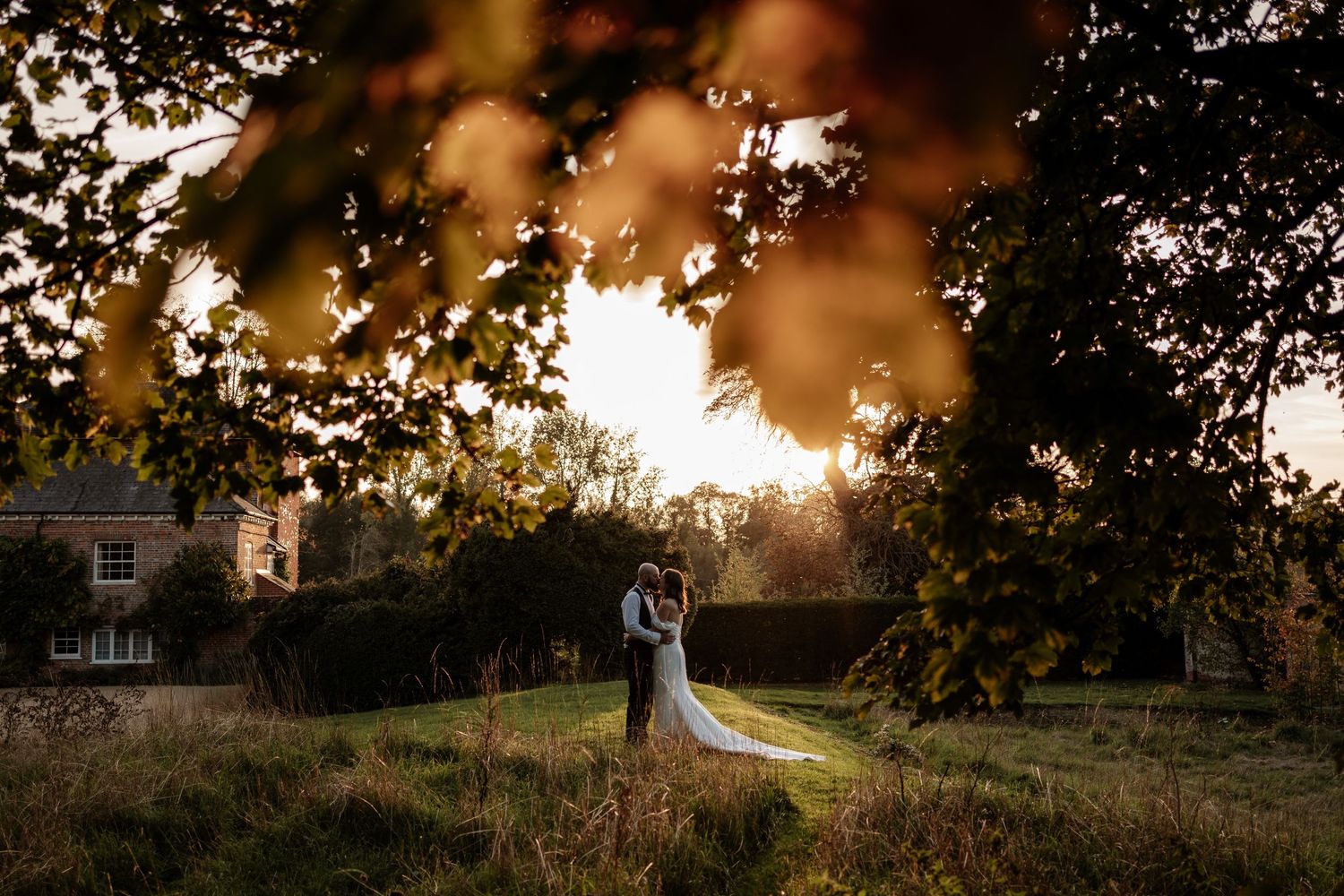
And depending on the time of year, this can sometimes be a perfect moment for a few relaxed sunset couple photos too.
Think about your whole wedding weekend
For many couples, the experience doesn’t start and end with the ceremony. Thinking about a wedding weekend itinerary can help everything feel more connected.
Welcome drinks, rehearsal dinners, and day-after plans don’t need to be tightly scheduled. A little intention goes a long way in helping the whole weekend feel easy and enjoyable.
A final note on creating a wedding timeline that flows
Planning your wedding day timeline isn’t about creating a rigid schedule.
It’s about building a day that feels calm, natural, and enjoyable for you and for everyone around you. When you focus on flow first and timings second, everything tends to fall into place beautifully.
And if you’d ever like a second pair of eyes on your plans, I’m always very happy to help shape a wedding day timeline that feels completely you.
Wedding Day Timeline FAQs
What’s the best way to create a wedding timeline that flows?
The best way to create a wedding timeline is to think about how you want the day to feel, then build timings around that. Start with your non-negotiables, add buffer time, and ask your suppliers for advice so your timeline reflects your specific wedding rather than a generic guide.
How long should a wedding ceremony last?
This depends on the type of ceremony you’re having and what you include. Registrar-led ceremonies are often around 20 to 30 minutes, while church ceremonies are usually longer. Celebrant ceremonies can vary, especially if you include readings, personal vows, or symbolic elements. Your officiant is the best person to advise on timings once your plans are confirmed.
How much time should we allow for wedding morning prep?
Most bridal prep timelines work best when there is plenty of breathing room. Being fully ready around 45 minutes before leaving for the ceremony allows time for relaxed photos, final touches, and a calm transition into the day. Partner or groom prep often takes less time but still benefits from structure if it’s being photographed.
How long should group photos take?
Group photos usually take around 20 to 30 minutes, depending on how many combinations you’d like and how easily guests can be gathered. Preparation beforehand, keeping the list simple and doing photos early on in your drinks reception helps everything run smoothly.
How long should the drinks reception be?
From a timing point of view, allowing at least 90 minutes for the drinks reception keeps things relaxed. This gives time for guests to mingle, group photos, couple portraits, and venue details without feeling rushed.